
How RV Consignment Works (And Why It Beats Selling It Yourself)
You've got an RV sitting in your driveway. You're not using it as much as you thought you would. It's costing you money in insurance and storage, and every time you look at it you feel a little guilty.
You could sell it yourself. Post it on Facebook Marketplace, field calls from strangers who want to lowball you, schedule walkthroughs that don't show up, and spend three months explaining why it's priced the way it is.
Or you could consign it.
Here's how consignment works at Scamper, and why most RV owners who go through the process say they wish they'd done it sooner.
What Consignment Actually Means
When you consign your RV with us, you're not selling it to us. You're letting us sell it for you.
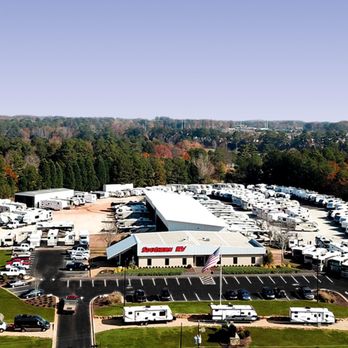
Your RV goes on our lot. We handle the marketing, the inquiries, the showings, the paperwork, and the transaction. When it sells, you get the agreed-upon price minus our commission. You don't have to deal with a single stranger.
You keep ownership of the vehicle until it sells. You set the price (with our input on what the market will bear). And you don't pay anything upfront.
What We Do for You
Marketing: Your RV gets listed on our website, on major RV listing platforms, and in our active buyer network. We write the listing, take the photos, and handle the inquiries.
Showings: Buyers come to us. We show the RV, answer questions, and qualify serious buyers before they ever contact you.
Paperwork: Title transfers, bill of sale, financing coordination — we handle it. You sign at the end.
Pricing guidance: We know the current market. We'll tell you what similar units are selling for and help you price it to move without leaving money on the table.
What You Need to Do
Bring us the RV in clean, working condition. That's the main thing.
We'll do a walkthrough and note anything that needs attention. Minor issues (a broken latch, a worn seal, a dated interior) can often be addressed before listing. Major mechanical issues need to be disclosed and factored into the price.
The cleaner and better-maintained the RV, the faster it sells and the better the price.
How Long Does It Take?
It depends on the unit, the price, and the season. Spring and early summer are the fastest-moving periods — buyers are actively looking and ready to commit. Winter is slower.
Well-priced units in good condition typically move within 60–90 days. Overpriced units sit. We'll be honest with you about where your unit falls.
Is Consignment Right for You?
Consignment makes the most sense if:
- You want a fair price but don't want to deal with the selling process
- Your RV is in good condition and ready to show
- You're not in a rush to sell within the next two weeks
- You don't want strangers coming to your home for walkthroughs
It's not the right fit if you need cash immediately or if the RV has significant undisclosed mechanical issues.
How to Get Started
Fill out our consignment inquiry form [blocked] or call us at 833-SCAMPER. We'll ask you a few questions about the unit, give you an honest read on value, and walk you through the next steps.
No commitment required to have that conversation.